Inside Costco – No Membership Required

Cataracts
Cataracts are one of the leading causes of vision loss in people over 45. Learn what cataracts are, what causes them, how to recognize the symptoms, and what treatment options are available.
What Are Cataracts?
Cataracts are one of the leading causes of vision loss in people over 45. A condition that commonly develops as the eye ages, by the time we reach 80, more than half of us will have developed a cataract.
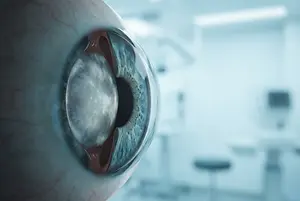
A cataract is a clouding of the lens in your eye, which is normally transparent. The lens, located inside the eye behind the iris and the pupil, focuses light onto the retina at the back of your eye, where it is converted to nerve signals that are passed to the brain, allowing you to see. When your lens becomes cloudy, the images projected onto your retina become blurry and unfocused, and therefore the signal to the brain is also unclear. You can compare this to looking through a dirty or cloudy window — if the window is not clear, you can't see well.
Usually cataracts develop slowly over time so your vision gradually worsens. While the majority of cataracts are a result of the aging process, there are also:
- Congenital cataracts — present at birth
- Secondary cataracts — resulting from eye surgery or diseases such as glaucoma or diabetes
- Traumatic cataracts — occurring at any age from an injury to the eye
Signs & Symptoms of Cataracts
The lens of the eye works much like a camera lens — it is vital that it remain clear and healthy for sharp, comfortable vision. As a cataract develops, you may notice one or more of the following signs and symptoms:
- Blurry, cloudy, or foggy vision that cannot be corrected with glasses or contact lenses
- Increased sensitivity to glare from sunlight, headlights, or lamps
- Seeing halos around lights, especially at night
- Colors appearing faded or yellowed
- Double vision in one eye
- Frequent changes in your eyeglass or contact lens prescription
- Difficulty reading or seeing fine detail, even with glasses
- Poor night vision
Cataracts typically develop gradually, so the changes in your vision may be subtle at first. Regular eye exams are the best way to detect cataracts early and monitor their progression over time.
Causes of Cataracts
The most common cause of cataracts is the natural aging process. As we get older, the proteins in our eye's lens gradually break down and clump together, forming a cloudy area that scatters and blocks light. However, several other factors can increase the risk of developing cataracts or accelerate their progression:
Medical & Health Risk Factors
- Diabetes
- High blood pressure
- Obesity
- Eye injuries or previous eye surgery
- Glaucoma
- Long-term use of corticosteroid medications
- Certain genetic disorders
Lifestyle Risk Factors
- Excessive exposure to ultraviolet (UV) sunlight
- Smoking
- Heavy alcohol consumption
- Poor nutrition (low antioxidant intake)
- Prolonged exposure to radiation
- Family history of cataracts
Diagnosing Cataracts
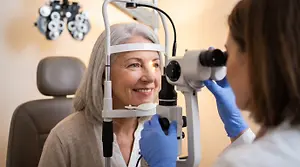
Cataracts can only be detected through a comprehensive dilated eye exam. During the exam, your eye doctor will:
- Visual acuity test — Assess how well you can see at various distances using an eye chart
- Dilated eye exam — Widen your pupils with eye drops to allow examination of the lens and other structures at the back of the eye
- Slit-lamp examination — Use a specialized microscope to examine the structures of your eye in detail
- Tonometry — Measure the pressure inside your eye
Regular comprehensive eye exams are important for everyone, but especially for those over 40 or with known risk factors. Early detection allows your optometrist to monitor the cataract's progression and help you understand when treatment may be appropriate.
Treatment Options
The appropriate treatment for cataracts depends on how much the cataract affects your daily life and vision quality.
Living with Mild to Moderate Cataracts
In the early stages, stronger glasses, anti-glare sunglasses, or magnifying lenses may help manage your symptoms. Ensuring adequate lighting for reading and other activities can also make a significant difference. Your optometrist will monitor the cataract's progression over time and recommend surgery when it begins to significantly impact your quality of life.
Cataract Surgery
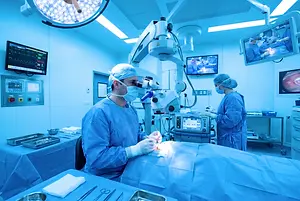
While you may be able to live with mild or moderate cataracts, severe cataracts are treated with surgery. The procedure involves removing the clouded lens and replacing it with a clear artificial intraocular lens (IOL) implant. Cataract surgery is one of the most common surgical procedures performed in the United States and has a very high success rate of restoring vision to patients.
Modern cataract surgery is frequently done as an outpatient procedure. Patients will have greatly improved vision the next day and will continue to improve over the next few weeks. Surgery is often done in one eye first, and surgery on the second eye, if needed, may be done 2 weeks later.
Intraocular Lenses (IOLs)
If you need cataract surgery, you may have the option of getting new presbyopia-correcting IOLs that can potentially restore a full range of vision without eyeglasses. Your surgeon will discuss the different lens options with you based on your lifestyle and visual needs.
Monofocal IOLs
The most common type of IOL. Corrects vision at one distance (usually distance), so glasses may still be needed for reading or intermediate tasks.
Multifocal IOLs
Presbyopia-correcting lenses designed to provide clear vision at multiple distances — near, intermediate, and far — potentially reducing or eliminating the need for eyeglasses.
Toric IOLs
Specially designed to correct astigmatism at the same time as cataracts are removed, offering improved distance vision for patients with this refractive condition.
Common Questions About Cataracts
While cataracts cannot always be prevented — especially those caused by aging — you can reduce your risk by protecting your eyes from UV sunlight with quality sunglasses, not smoking, maintaining a healthy diet rich in antioxidants, controlling diabetes and other health conditions, and having regular comprehensive eye exams.
No, cataracts do not grow back after surgery because the natural lens has been removed and replaced with an artificial IOL. However, some patients develop a condition called posterior capsule opacification (PCO) — sometimes called a 'secondary cataract' — where the capsule holding the IOL becomes cloudy. This can be easily and painlessly treated in your eye doctor's office with a quick laser procedure.
Surgery is typically recommended when cataracts cause enough vision loss to interfere with your daily activities, such as driving, reading, or watching TV. Your optometrist will monitor the progression of your cataract and work with you to determine when surgery is the right option based on your vision needs and quality of life.
Several lifestyle factors can contribute to or accelerate cataract development: prolonged exposure to UV sunlight without proper eye protection, smoking, heavy alcohol use, poor diet lacking in antioxidants and vitamins, and uncontrolled diabetes or high blood pressure. Adopting healthy habits and managing chronic conditions can help slow the progression.
Concerned About Your Vision? Schedule an Eye Exam Today.
If you're experiencing changes in your vision or have concerns about cataracts, our experienced optometrists are here to help. A comprehensive eye exam is the first step toward preserving your sight. We have two convenient locations in the Twin Cities and Rochester area — both inside Costco, no membership required.